Smoke Shaft
& AOV Testing
Approved Document B & BS EN 12101 compliance.
High-powered, UKAS-calibrated blower-door testing of smoke shafts and AOV systems in high-rise and multi-storey developments. Smoke leakage identification, and a full Building Control compliance report — nationwide.
- UKAS-calibrated blower-door equipment
- Smoke leakage identification included
- Building Control compliance report
3.8 m³/h/m²
Typical Leakage Target @ 50Pa
50 Pa
Test Pressure
AD B
Approved Document B
On Request
Quoted Per Project
What is smoke shaft testing?
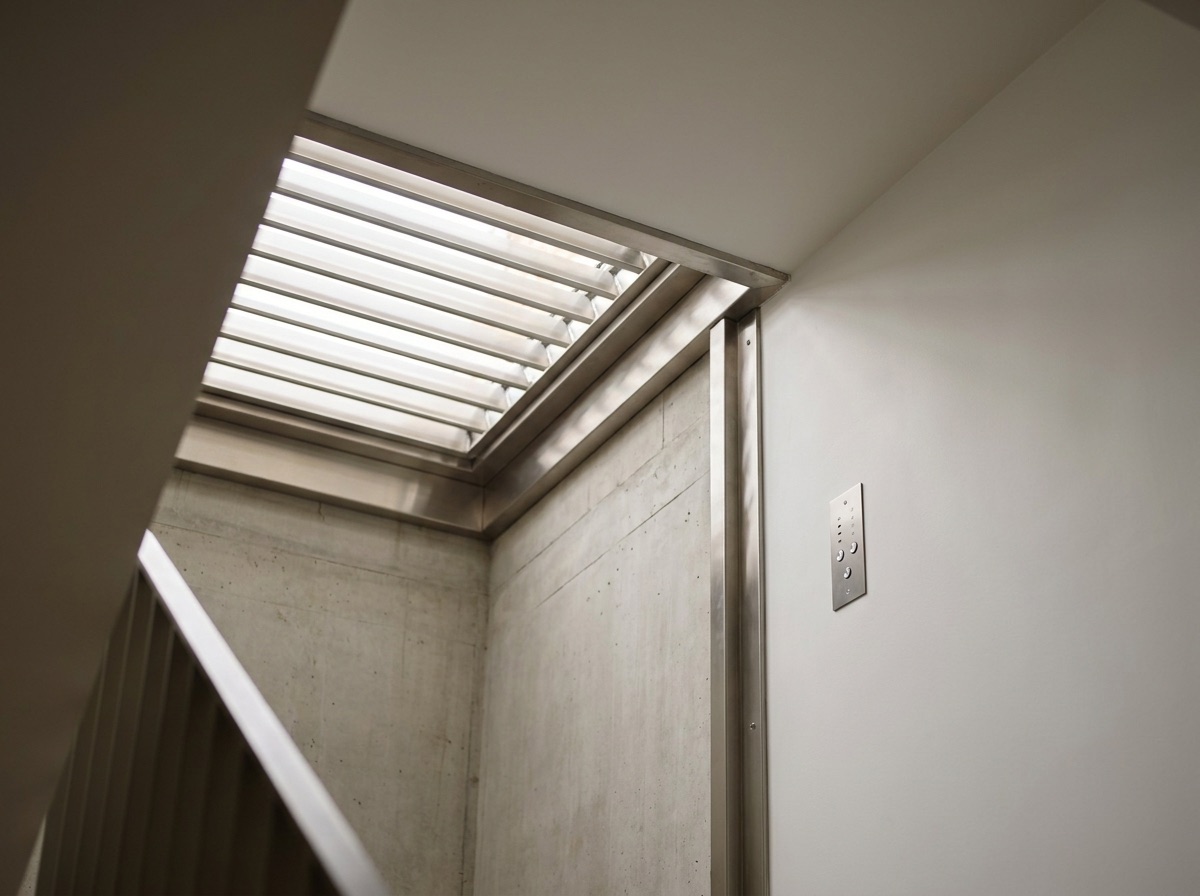
In high-rise residential and commercial developments, a functioning smoke ventilation system is a life-saving necessity. Smoke shafts and Automatic Opening Vent (AOV) systems protect escape routes and assist firefighters by clearing smoke during a fire. However, if a shaft is leaky, the ventilation fans may fail to create the pressure needed to extract smoke effectively.
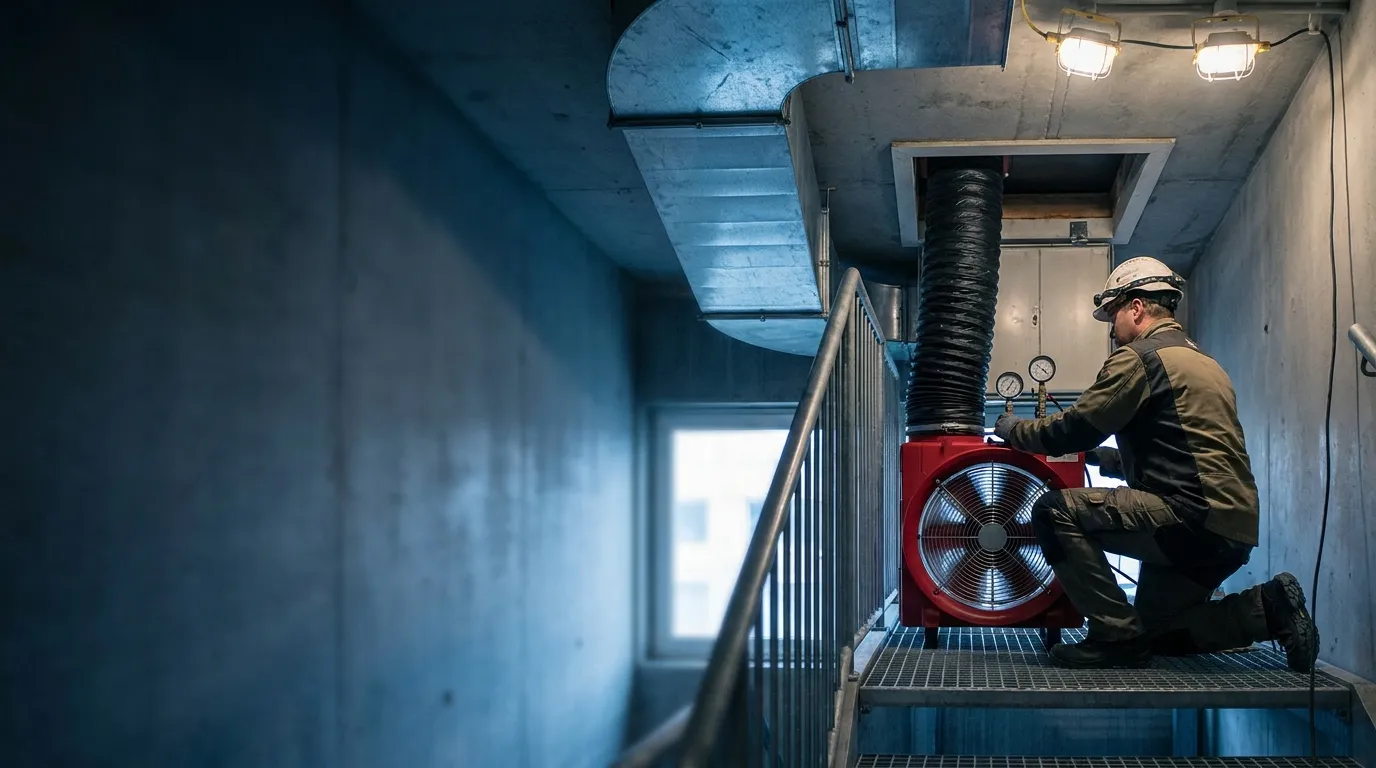
Smoke shaft air tightness testing uses the same pressurisation technology as standard building air testing. We use high-powered, UKAS-calibrated blower-door fans to pressurise the shaft to 50 Pascals and record the total leakage rate, expressed as m³/(h·m²) at 50Pa. The result is checked against the design target — typically less than 3.8 m³/(h·m²) at 50Pa — to confirm the shaft will perform as designed when it matters most.
Why is testing required?
Approved Document B (fire safety) of the Building Regulations and BS EN 12101 (smoke and heat control systems) set out the technical requirements for smoke ventilation systems. Building Control will require a test certificate confirming the shaft meets the specified leakage criterion before sign-off. Testing must be completed before the building is occupied.
Which buildings need it?
Any high-rise residential, multi-storey commercial, hotel, student accommodation or similar building where smoke ventilation shafts form part of the approved fire strategy is likely to require testing. If you are unsure whether your project needs a smoke shaft test, your fire engineer or Building Control officer will be able to confirm — or ask us.
Test, identify, certify.
UKAS-calibrated equipment, smoke leakage identification if needed, and a full Building Control compliance report — so your AOV systems are confirmed fit for service before handover.
Prepared shafts, efficient visits
Site-readiness checklists are included so the shaft is well prepared before we test — helping your contractor seal common problem areas in advance and keeping your programme on schedule.
Compliance Reporting
Every test produces a full written report suitable for Building Control sign-off, confirming compliance with Approved Document B and BS EN 12101.
Site Readiness Checklist
We provide a site-readiness checklist so the shaft is well prepared before we attend — helping avoid wasted visits and keeping your programme on track.
Smoke Leakage Identification
If leakage exceeds the target we deploy theatrical smoke generators to locate exactly where air is escaping, so your contractor can seal the right places.
Expert Advice
We understand the fire engineering context behind the test. Our engineers explain findings clearly so your team knows what remedial action is needed and why.
UKAS-Calibrated Equipment
All testing is carried out using high-powered, UKAS-calibrated blower-door fans, ensuring measurements are accurate, traceable, and accepted by Building Control.
Nationwide Service
We operate across the UK — England, Wales, Scotland and Northern Ireland. Fast, reliable attendance wherever your project is located.
Three steps to your compliance report.
From first contact to compliance report accepted by Building Control. Clear, methodical, and with expert advice at every stage.
Airtightness Pressure Test
We pressurise the shaft to 50Pa using UKAS-calibrated blower-door fans and measure the total air leakage rate against your specific design targets. The test determines whether the shaft meets the leakage criterion in your fire strategy and BS EN 12101.
Smoke Leakage Identification
If the shaft fails to meet the target, we deploy theatrical smoke generators to visually locate exactly where air is escaping — cracks, gaps, or failed seals. Your contractor gets a clear picture of what needs remediation and where.
Compliance Reporting
You receive a detailed written report for Building Control sign-off, confirming the shaft meets Approved Document B and BS EN 12101 standards. The report includes measured leakage rate, test pressure, equipment calibration details and, where applicable, photographs of any leakage paths identified.
Quoted per project.
Smoke shaft testing is priced individually based on the number of shafts, building height, access requirements and location. Send us your drawings and we will come back with a clear, fixed price with no hidden fees.
Priced per project based on number of shafts, access requirements, and location. Contact us with your drawings for a fast, no-obligation fixed-price quote.
- UKAS-calibrated blower-door fan testing at 50Pa
- Smoke leakage identification if the shaft does not meet target
- Full compliance report for Building Control sign-off
- Site-readiness checklist to help prepare the shaft before we attend
- Nationwide UK coverage, same-day call-backs
Prices vary with the number of shafts, building height, access requirements and project location. Contact us for an accurate quote.
Related Services
Don't leave your fire strategy to chance.
Ensure your AOV systems are fully compliant and ready for service. Fast quotes, same-day call-backs, and nationwide attendance — contact us to get started.
Smoke shaft questions.
Everything you need to know about smoke shaft and AOV air tightness testing — what it is, why it is required, what happens when a shaft does not meet the target, and what the standards demand.
Still Got a Question? Ask Us What is a smoke shaft (AOV) air tightness test?
A smoke shaft air tightness test measures how much air leaks through the walls, joints and seals of a vertical smoke evacuation shaft. Using UKAS-calibrated blower-door fans, we pressurise the shaft to 50 Pascals and record the leakage rate. The result is compared against the design target — typically less than 3.8 m³/(h·m²) at 50Pa — to confirm the shaft will perform as designed in a real fire event.
What is an AOV system and why does it need testing?
An Automatic Opening Vent (AOV) system is a mechanical smoke ventilation assembly designed to clear smoke from escape routes and stairwells during a fire, protecting occupants and assisting firefighters. If the shaft is leaky, the ventilation fans cannot build sufficient pressure to extract smoke effectively, which can compromise life safety. Testing before handover confirms the system is fit for purpose.
What is the pass criterion for a smoke shaft test?
The industry standard leakage target is less than 3.8 m³/(h·m²) at 50Pa of pressure, as referenced in Approved Document B and BS EN 12101. Your specific design target may be tighter — we test against whatever target is specified in your smoke ventilation strategy or fire engineering report.
Which buildings require smoke shaft testing?
High-rise residential buildings (typically those over 11 m in height), multi-storey commercial developments, hotels, student accommodation and other large buildings where smoke ventilation shafts form part of the fire strategy will generally require testing. Your fire engineer or Building Control officer will confirm whether testing is required for your project.
What standards govern smoke shaft testing?
Testing is carried out in accordance with Approved Document B (fire safety) of the Building Regulations and BS EN 12101 (Smoke and heat control systems). Our engineers use UKAS-calibrated blower-door fans to ensure measurements are traceable and accepted by Building Control.
What happens if a shaft fails the test?
If leakage exceeds the target, we use theatrical smoke generators to pinpoint exactly where air is escaping — cracks, gaps, unsealed penetrations, or failed mastic joints. We produce a detailed findings report so your contractor can carry out the necessary remedial works. Once remediated, we return to re-test.
How long does a smoke shaft test take?
The pressurisation test itself is relatively quick — typically 30–60 minutes per shaft once set up. Smoke leakage identification (if needed) adds time depending on the number and accessibility of defects found. We will give you a site-time estimate when we quote.
What report will I receive?
You receive a full written compliance report confirming the shaft meets Approved Document B and BS EN 12101, including the measured leakage rate, test pressure, equipment calibration details, and — where smoke diagnostics were carried out — photographs of identified leakage paths. The report is suitable for Building Control sign-off.
How does smoke shaft testing relate to air pressure testing?
Both disciplines use pressurisation technology and UKAS-calibrated blower-door equipment. Standard building air tightness testing (Part L) measures whole-building envelope leakage for energy performance. Smoke shaft testing applies the same pressurisation methodology specifically to the shaft assembly, against the life-safety leakage criterion in Approved Document B and BS EN 12101. UKBC provides both services — see our air pressure testing page.