

SAP
Calculations
Elmhurst registered — from £95.
Part L compliant SAP Calculations for new builds, extensions and conversions. Design Stage, As-Built and EPC included. Unlimited specification revisions, free Dashpivot app access.
- Elmhurst-registered assessors
- Design Stage, As-Built & EPC included
- Unlimited specification revisions
- Free app for photo evidence collating
£95
SAPs From
1–3 Days
Typical Turnaround
377+
Five-Star Reviews
0
Hidden Fees
Will I pass my SAP?
Answer four quick questions about your new build and get an instant traffic-light verdict on your Part L pass risk — plus a full professional report by email. No obligation.
What is a SAP calculation?
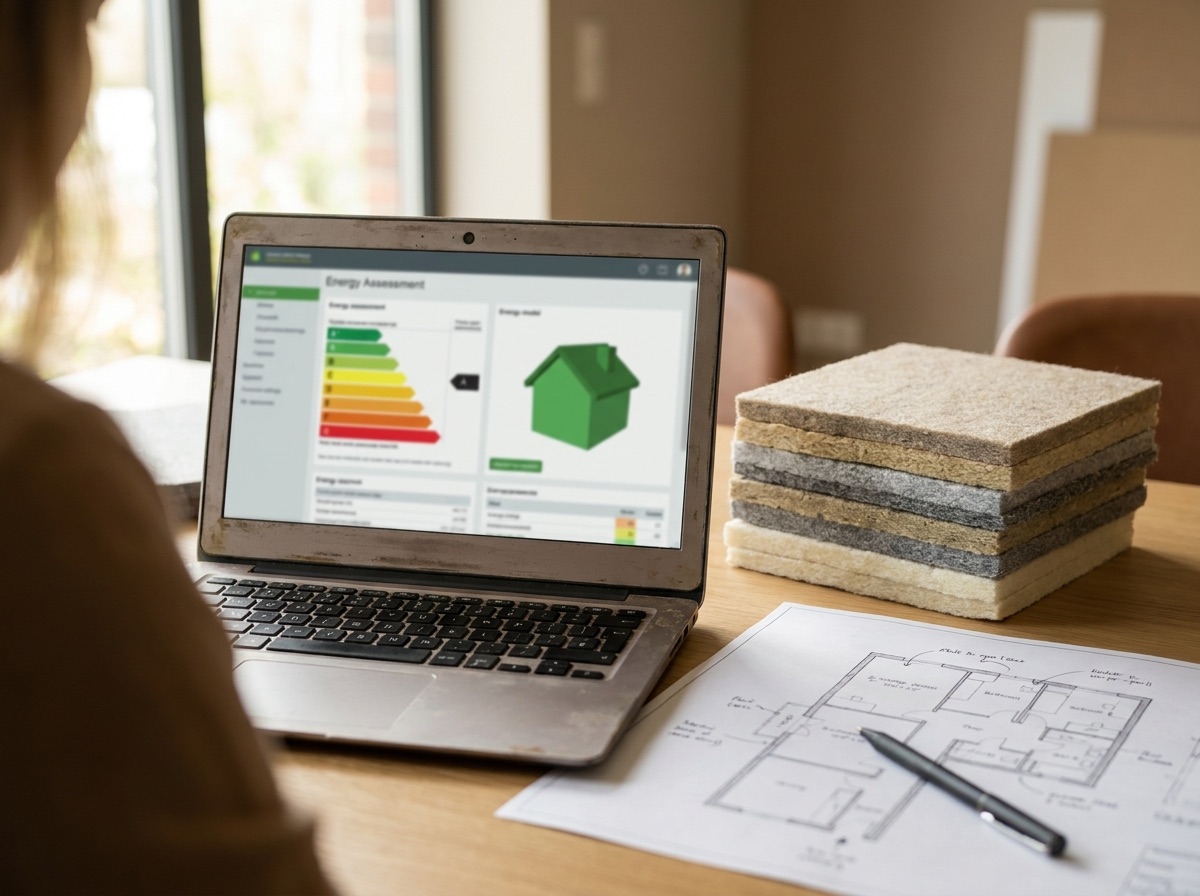
A SAP Calculation (Standard Assessment Procedure) measures the predicted energy performance of a dwelling and demonstrates whether the design meets Part L of the Building Regulations. It is the methodology used across England and Wales, with direct equivalents in Scotland (Section 6) and Northern Ireland (Part F1).
SAP produces the Dwelling Emissions Rate (DER) and Target Emissions Rate (TER) for your home, alongside the Fabric Energy Efficiency rating (DFEE/TFEE), as well as the Primary Energy Rating (DPER/TPER). If your DER is at or below your TER and your fabric passes, you comply — and we issue the final EPC at As-Built stage.
When do I need a SAP?
You need a SAP Calculation for every new-build dwelling, most conversions into habitable dwellings, and many extensions (especially those with significant glazing or increased energy demand). Design Stage SAP is needed for Building Control, and As-Built SAP for the EPC.
Extensions under 100m² with modest glazing can often use the simpler "extensions-only" SAP route — send us your drawings and we will confirm whether you need the full assessment.
SAP and the Home Energy Model
The UK government is replacing SAP with the Home Energy Model (HEM) as part of the Future Homes Standard, now likely to land in 2026. HEM uses half-hourly intervals, thermal zoning and live weather data to predict real-world performance more accurately. Until HEM lands, SAP is the mandatory compliance route — and we will transition you cleanly when it does.
SAPs for every project type.
From a single plot to multi-unit developments, extensions, conversions and cross-UK regional work.
 01
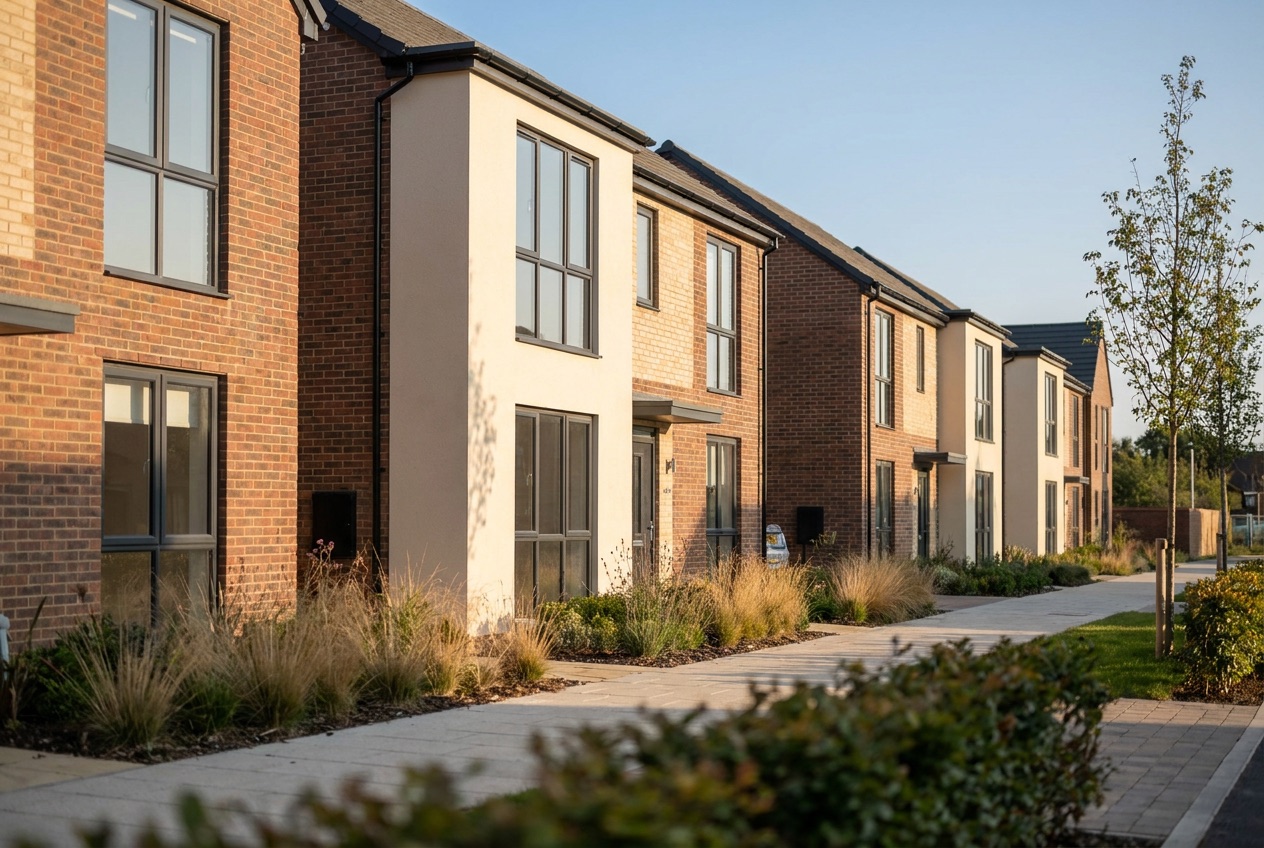
01 L1A New Builds
Full Design Stage and As-Built SAPs for new-build dwellings. We model the fabric, heating, hot water, ventilation and renewables, recommend the cheapest route to compliance, and issue the EPC at completion.
- Design Stage SAP for Building Control
- As-Built SAP + final EPC included
- From £95 + VAT per dwelling
 02
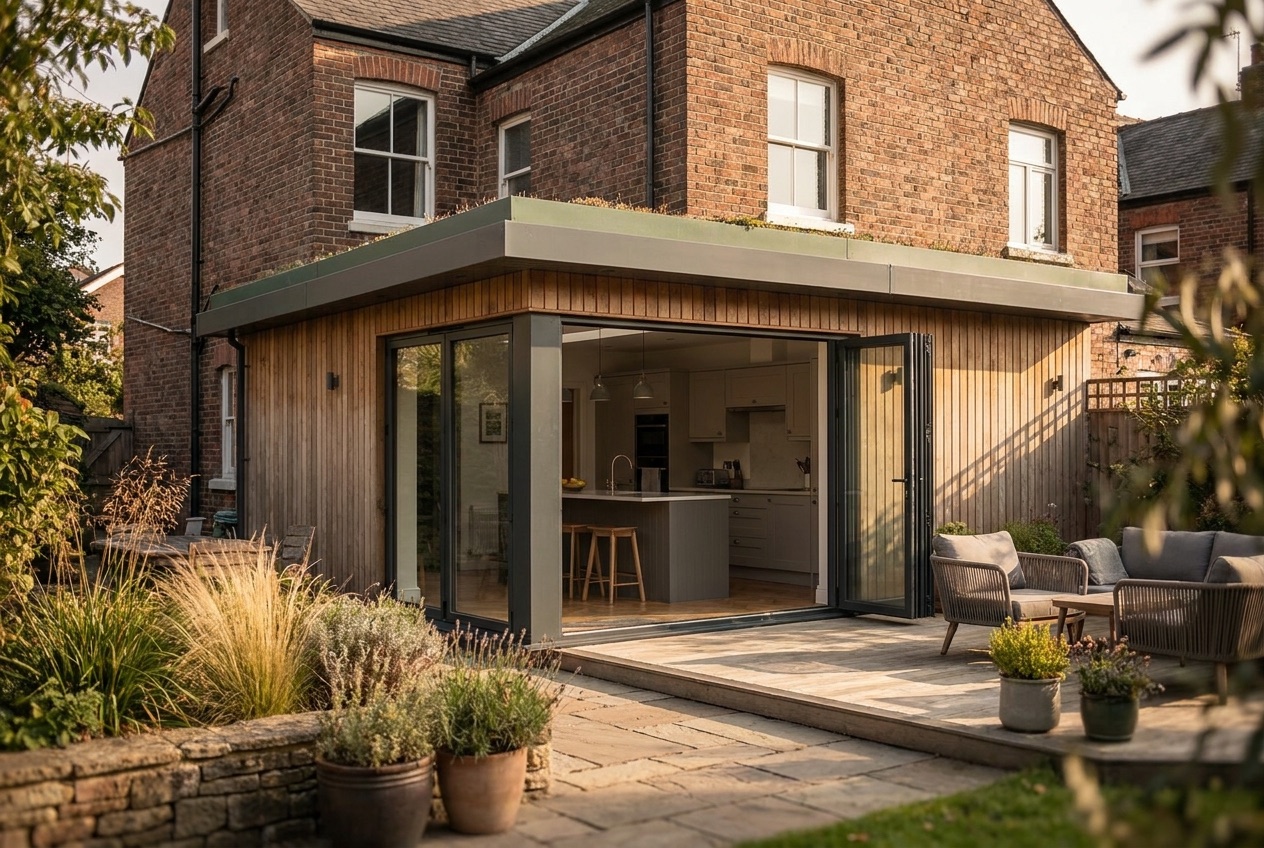
02 L1B Extensions
SAP evaluations for extensions where glazing ratios or energy demand trigger Part L compliance. We model both the existing dwelling and the extension to confirm the whole building still passes.
- Glazing-triggered extensions handled
- Existing + extension modelled together
- Free check on whether you need a SAP
 03
03 L1B Conversions
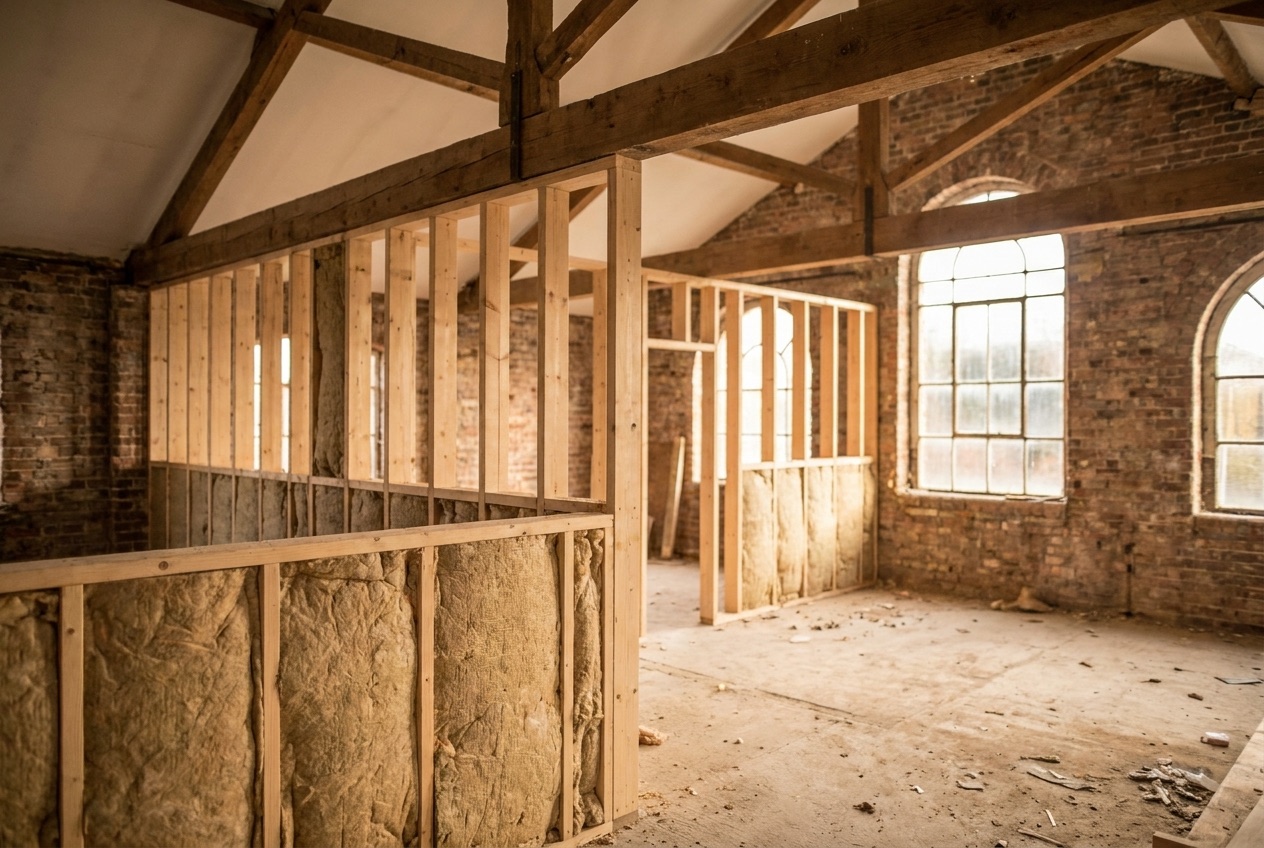
Barn conversions, office-to-residential, pub-to-flat and similar change-of-use projects. We assess the thermal efficiency and carbon output of the converted space and recommend the most cost-effective fabric and services upgrades.
- Change-of-use specialists
- Cost-balanced recommendations
 04
04 All UK Regions
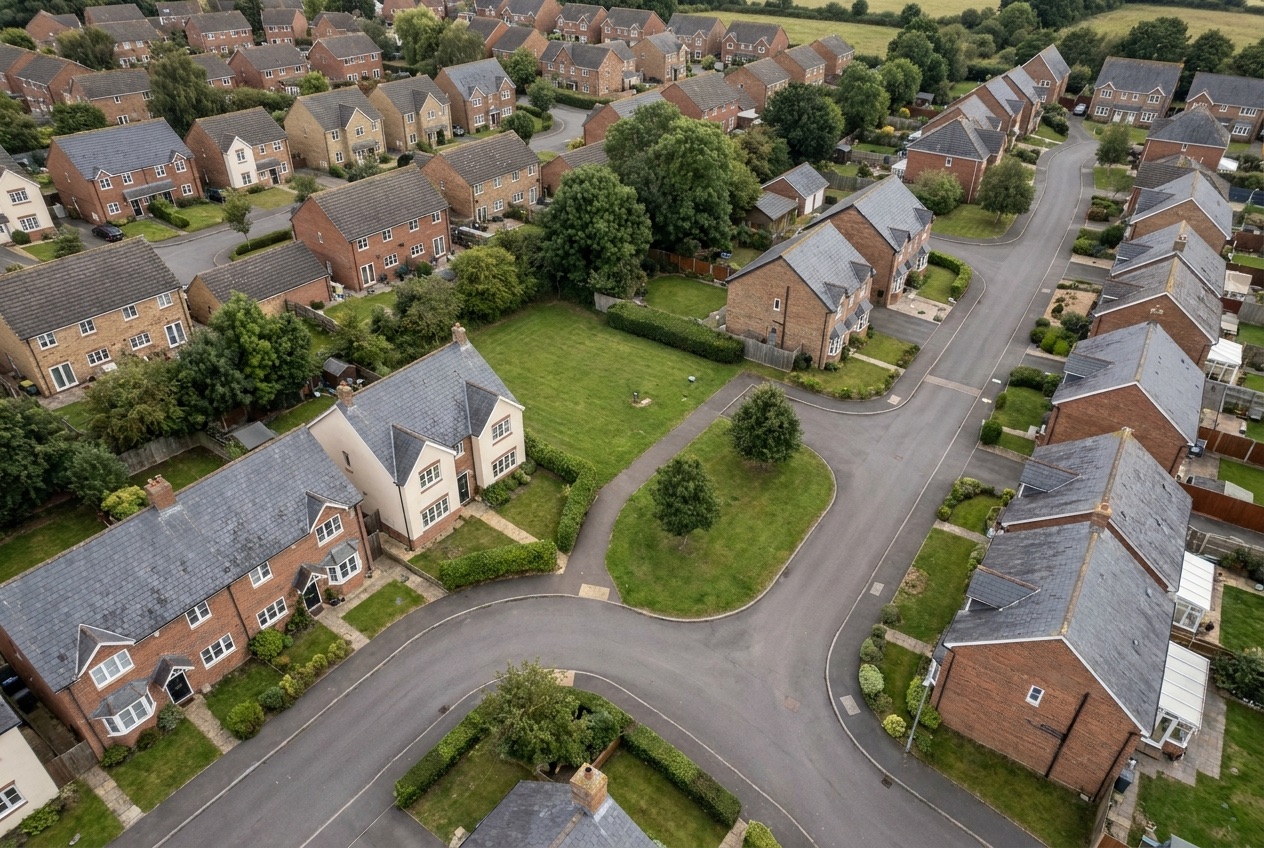
We run SAPs under Part L (England & Wales), Section 6 (Scotland) and Part F1 (Northern Ireland), using the correct regional climate data and fuel assumptions for each.
- England, Wales, Scotland, Northern Ireland
- Regional climate data applied correctly
Pass Part L without the back-and-forth.
Elmhurst-registered assessors, free Dashpivot app, unlimited specification revisions, and one fixed price covering Design Stage, As-Built and EPC.
Clear value up front
Advice, unlimited revisions and EPC included in the quoted price. No hidden or extra fees later in the project.
Elmhurst Registered
Every SAP is produced by an assessor registered with Elmhurst Energy. Certified for Part L compliance across England, Wales, Scotland and Northern Ireland.
Free Dashpivot App
Share drawings, specifications and site photos through the Dashpivot app at no extra cost. Keeps your project team and our assessors on the same page, with no email threads getting lost.
Unlimited Specification Revisions
Revise your wall build-up, glazing ratios, heating system or renewables as many times as you need. Every quote is inclusive — no fee per revision.
Design-Stage Advice Included
If your first run does not pass, we recommend the cheapest route to compliance — better U-values, different heating controls, or a small renewables tweak — before you change the order.
Design, As-Built & EPC Included
One fixed price covers Design Stage SAP, As-Built stage, and the final EPC certificate for your Building Control handover. No extra charges at the end of the project.
One Provider, Nationwide
L1A new builds, L1B extensions, L1B conversions — one team, one point of contact, covering every UK region and regulation.
Common reasons SAPs don't pass.
After thousands of SAPs, the same issues come up again and again. Here are the six we most often have to unpick — and the ones we check for before we even run the model.
Wrong U-values specified
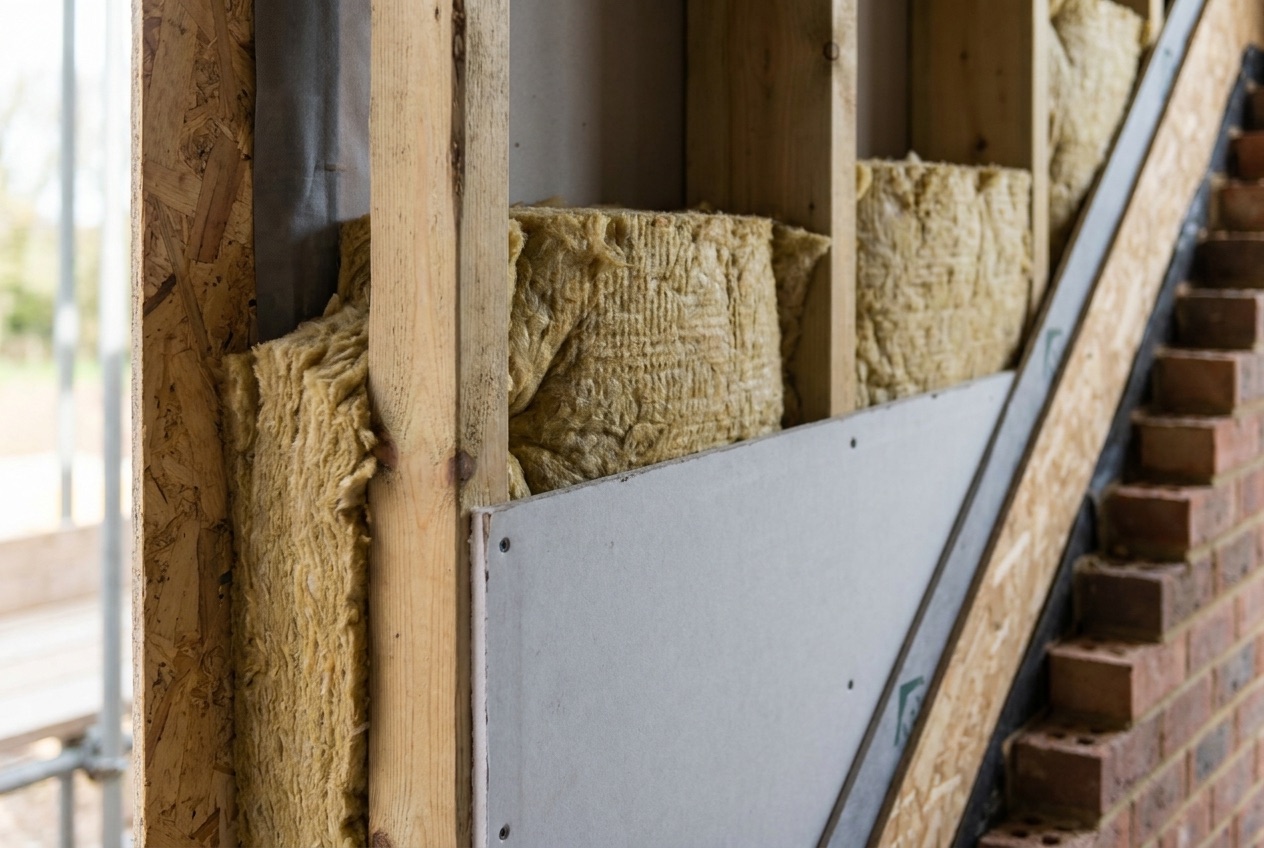
Optimistic manufacturer U-values without accounting for cold bridging, fixings or construction tolerance sink more SAPs than any other issue. We cross-check against realistic constructed values.
Heating controls that miss Part L
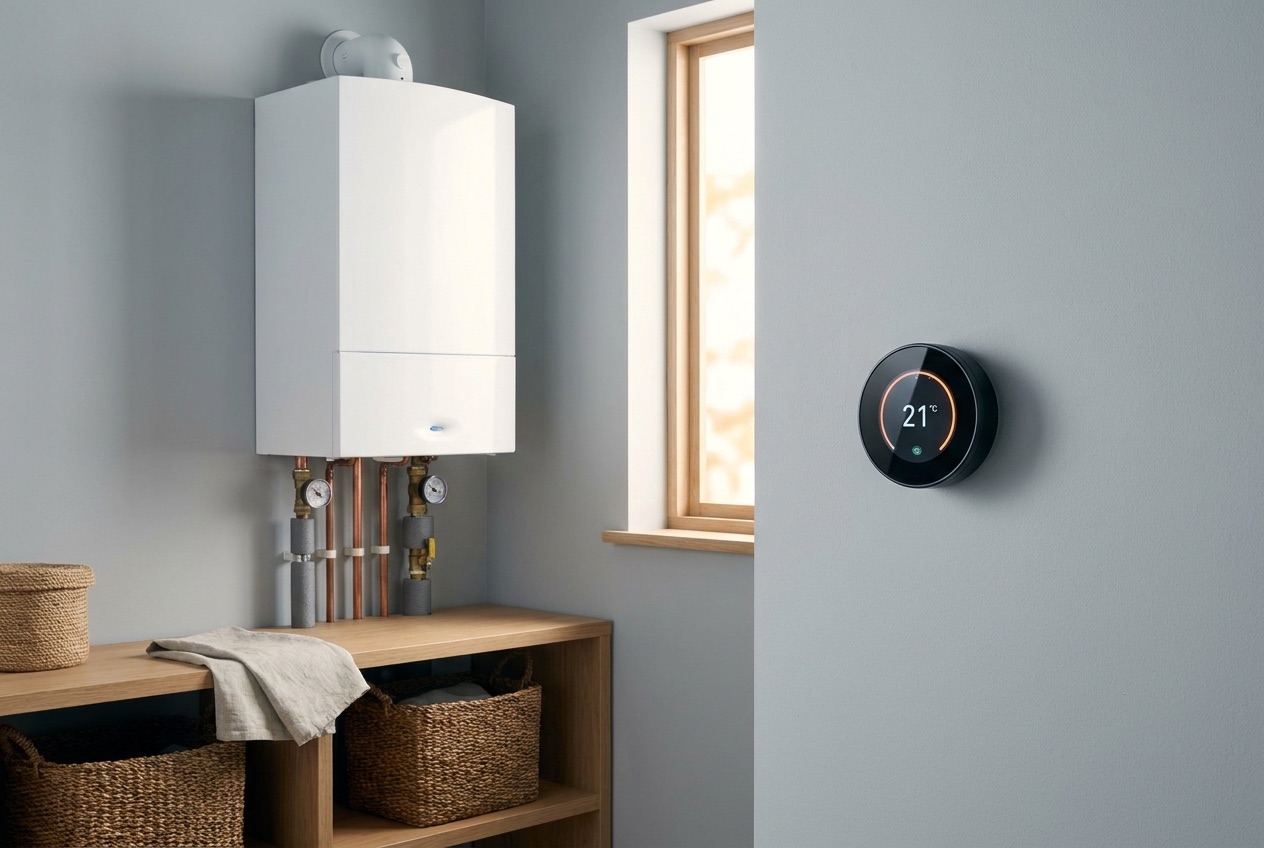
Modern Part L requires weather compensation, load compensation or flow-temperature control on most gas boilers. Missing these often fails a SAP that would otherwise pass.
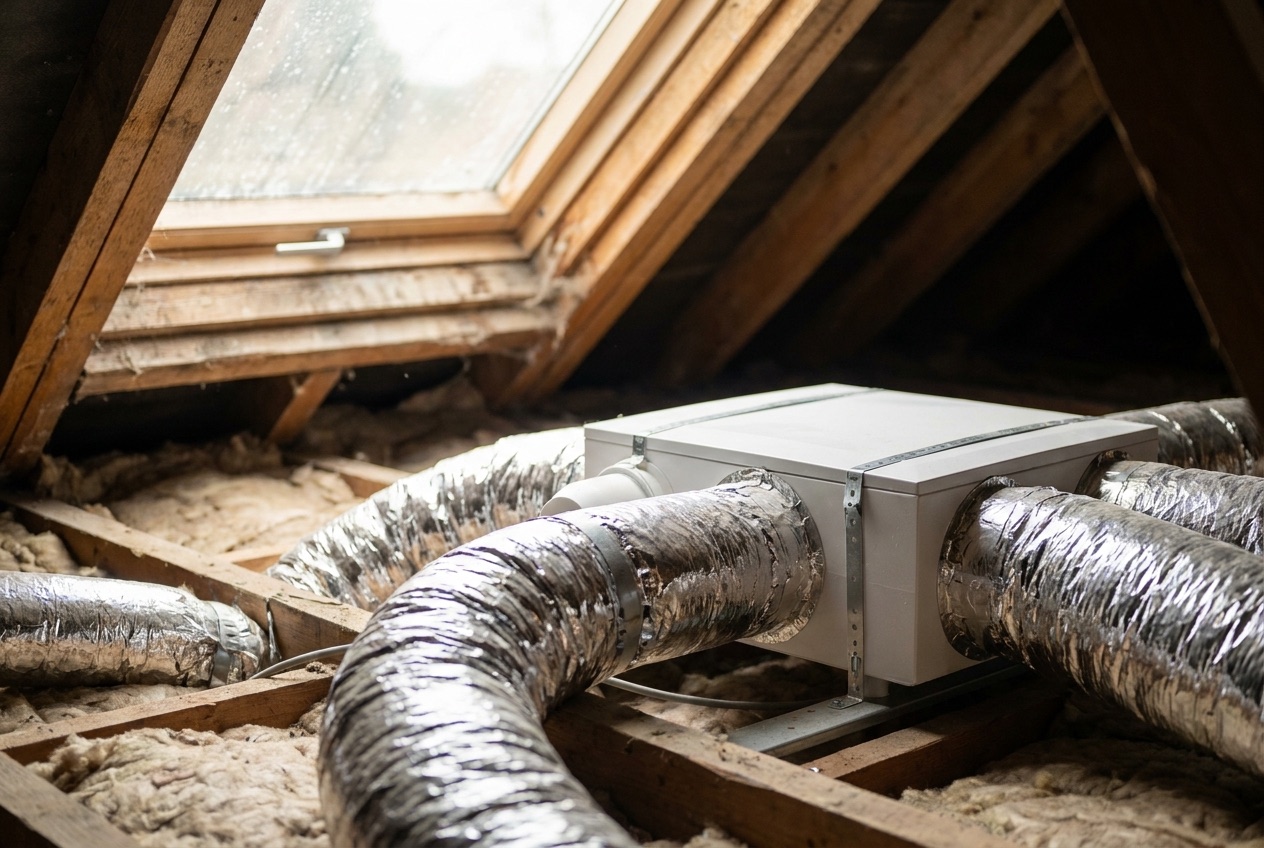
Ventilation strategy not modelled
MVHR, continuous MEV or intermittent extract needs to match the SAP input. A ventilation route that is not specified (or mis-specified) causes failures at As-Built stage.
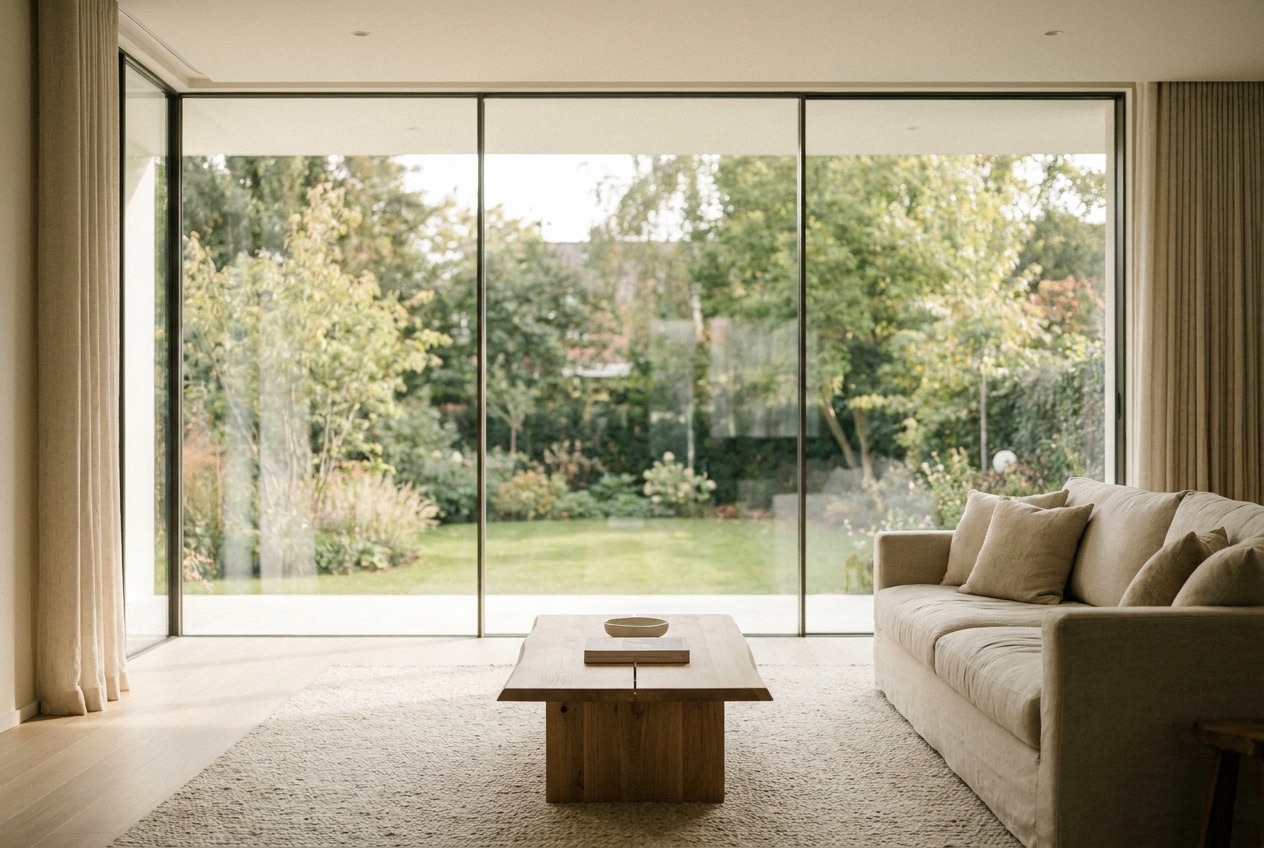
Glazing ratios over allowance
Part L2A 25% glazing limit applies to the dwelling total. Large glazed walls need either compensating fabric performance, better glass specification or solar shading.
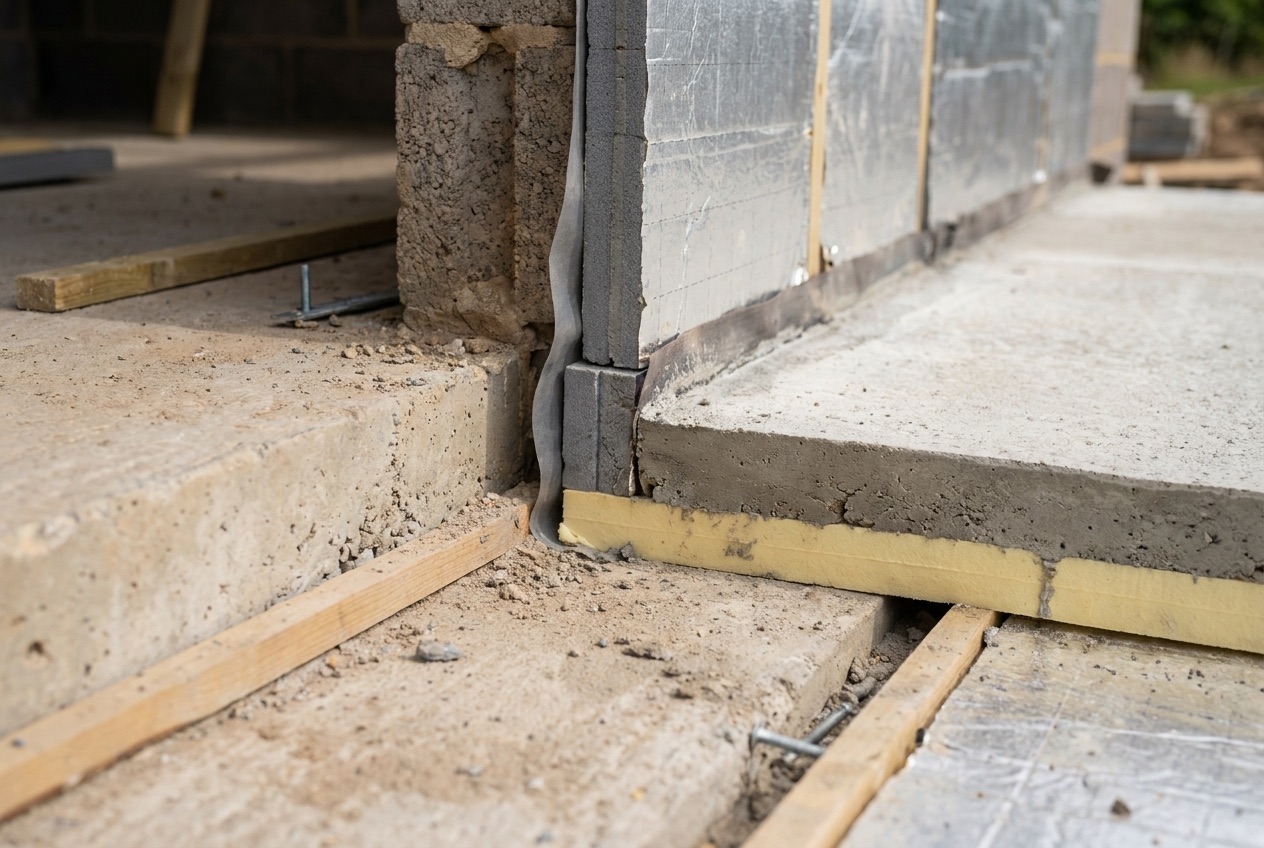
Thermal bridging ignored
Using the default y-value penalises most SAPs. Accredited Construction Details or calculated psi values recover significant performance — we can recommend which are worth pricing.
Spec changes missed at As-Built
Windows swapped, insulation downgraded, or heating system changed on site without updating the SAP. As-Built then fails. Share changes with us early and we update the model.
Three steps from plans to EPC.
From first call to final EPC. Simple, predictable, and inclusive of revisions along the way.
Send Us Your Plans
Share architectural drawings, construction specifications and Building Control details through the free Dashpivot app or by email. We confirm your price and timeline within 24 business hours.
 02
02 Design Stage SAP
We run the Design Stage SAP, flag any compliance gaps, and recommend the cheapest route to pass — revising the model as many times as you need at no extra charge.
As-Built + EPC
Once the dwelling is built and the air test is complete, we run the As-Built SAP, confirm compliance, and issue the final EPC for your Building Control handover.
Transparent guide pricing.
Send us your drawings for an exact fixed-price quote. One price covers the lot — Design Stage, As-Built, EPC and unlimited revisions in between.
Typical starting price for a single new-build dwelling. Complex extensions, multi-unit developments and conversions are quoted individually — send us your drawings for an exact figure.
- Design Stage SAP for Building Control
- Unlimited specification revisions
- As-Built stage + final EPC certificate
- Free Dashpivot app for the whole project
*This is a guide price. Actual prices vary with project size, complexity and number of dwellings. Contact us for an accurate quote.
Get your SAP quote & start date
Takes 60 seconds. No obligation. Working to a deadline? Tell us — we'll prioritise your project.
SAP questions.
Everything you need to know about SAP Calculations — what they cover, what they cost, and what happens when HEM lands.
Still Got a Question? Ask Us What is a SAP Calculation?
SAP Calculations (Standard Assessment Procedure) are required by the Building Regulations to assess the energy efficiency of new builds, conversions, and certain extensions. They are the methodology used to demonstrate Part L compliance across England and Wales, with parallel routes in Scotland (Section 6) and Northern Ireland (Part F1).
How much does a SAP Calculation cost?
SAP Calculations start from £95 + VAT for a single dwelling and typically settle at £99 + VAT. The quote includes Design Stage SAP, unlimited specification revisions, As-Built stage and the final EPC. Send us your drawings for an exact fixed-price quote.
How long does a SAP Calculation take?
Most SAPs are completed within 1–3 working days once we have the plans and specification. Larger or more complex projects may need up to 10 working days. If you have a deadline, tell us and we will prioritise your project.
Do I need a SAP Calculation for an extension?
Yes, if your extension has significant glazing (typically more than 25% of the floor area) or otherwise increases overall energy demand, a SAP Calculation may be required to show Part L compliance. Send us your drawings and we will confirm — free of charge.
What documents do I need to provide?
Architectural drawings, construction specifications (walls, roof, floor build-ups, U-values), heating and hot water system details, lighting, and any renewable technologies (solar PV, heat pumps). The more complete the specification, the faster we can assess and the fewer revisions you will need.
Does your service include advice on passing Part L?
Yes. Every quote includes unlimited specification revisions and free access to the Dashpivot app so you can share drawings and track progress with us. If your first run does not pass, we recommend the cheapest specification changes to bring it into compliance.
Are there further fees later down the line?
No. SAP quotes are inclusive of Design Stage, As-Built stage and the final EPC. No hidden charges for revisions, re-runs after spec changes, or certificate issue.
What is the Home Energy Model (HEM)?
HEM is the UK government’s successor to SAP, due to come in alongside the Future Homes Standard (now likely 2026). It uses half-hourly calculation intervals, thermal zoning and live weather data to give more accurate real-world predictions. If your project starts on SAP, you do not need to resubmit under HEM — we will guide you through the transition when it lands.
Should I wait for HEM or proceed with SAP now?
Proceed with SAP. It remains the mandatory Part L compliance route today. Waiting for HEM will delay your project and planning applications. We track the HEM rollout and will advise when it becomes applicable to your project.
Do you cover Scotland and Northern Ireland?
Yes — we deliver SAPs under Part L (England & Wales), Section 6 (Scotland) and Part F1 (Northern Ireland) to the same fixed-price, same-turnaround standard. Regional climate data and building tradition differences are all handled.